Fricker Nutrition Guide: A Comprehensive Overview
This guide, penned by nutritionist Jacques Fricker, addresses parental concerns with charts, menus, and scientific tables․
It’s a 319-page resource focused on a healthy lifestyle, offering three phases to manage excess fat effectively․
The Fricker Diet, costing around $300 monthly, emphasizes planning, especially during the initial elimination phase using low-FODMAP foods;

Jacques Fricker, a dedicated nutritionist, developed his dietary approach based on decades of research and a holistic understanding of health․ His philosophy centers around the idea that diet isn’t merely about weight loss, but a cornerstone of overall well-being, particularly concerning complex health conditions․
Fricker’s work emphasizes the intricate relationship between nutrition and physiological processes, notably exploring the impact on neurological health and conditions like cirrhosis․ He delves into the modifications of tau protein, a critical area of neurological study, and how dietary interventions can potentially influence these changes․
Furthermore, his research, documented in publications from 2008 and 2017, investigates fungal nutrient allocation, highlighting how fungi strategically utilize available resources․ This demonstrates a nuanced understanding of biological systems and the importance of balanced nutritional intake․ The guide provides practical tools, like meal planning suggestions, to implement these principles․

The Core Principles of the Fricker Diet
The Fricker Diet revolves around a phased approach designed to eliminate problematic foods, carefully reintroduce them, and then maintain a balanced, personalized eating plan․ A central tenet is the emphasis on a structured elimination phase, utilizing low-FODMAP foods to identify individual sensitivities and reduce inflammation․
This isn’t a restrictive, short-term fix, but a long-term lifestyle adjustment․ The diet acknowledges the importance of planning, advocating for proactive menu preparation to ensure adherence․ Macronutrient balance is key, with specific recommendations for protein, carbohydrates, and fats, often centered around a 650-calorie framework․
Beyond weight management, the diet aims to address underlying health concerns, offering nutritional support for conditions like cirrhosis and exploring potential benefits for neurological health through targeted dietary modifications․ It’s a comprehensive system grounded in scientific research and practical application․

Understanding the Three Phases of the Fricker Diet
The Fricker Diet utilizes a three-phase system: elimination, reintroduction, and maintenance, designed to identify sensitivities and establish a personalized, sustainable eating plan․
Phase 1: The Elimination Phase
The initial phase of the Fricker Diet centers around a strict elimination of potentially problematic foods․ This isn’t a long-term solution, but a diagnostic tool to identify individual sensitivities and triggers․ Careful planning is crucial before starting, focusing on low-FODMAP food choices to minimize discomfort and ensure adherence․
This phase aims to ‘reset’ the system, reducing inflammation and allowing the gut to heal․ It requires commitment and discipline, as many common foods are temporarily removed from the diet․ The goal is to observe how the body responds when these foods are absent, paving the way for a more tailored nutritional approach in subsequent phases․
Success in Phase 1 hinges on meticulous meal planning and a thorough understanding of permitted foods․ It’s a period of observation and self-discovery, laying the groundwork for long-term dietary success․
Low-FODMAP Foods for the Elimination Phase
During Phase 1, prioritizing low-FODMAP foods is essential for minimizing digestive distress․ This involves avoiding fermentable oligosaccharides, disaccharides, monosaccharides, and polyols – sugars poorly absorbed in the small intestine․
Permitted foods generally include certain fruits like blueberries and strawberries, vegetables such as carrots and spinach, and proteins like lean meats and fish․ Rice and quinoa are often well-tolerated carbohydrate sources․ Dairy is typically restricted, with lactose-free alternatives considered․
Careful label reading is vital, as FODMAPs can be hidden in processed foods․ Focusing on whole, unprocessed ingredients simplifies adherence․ This phase isn’t about deprivation, but about strategically selecting foods that support gut health and reduce inflammation, setting the stage for reintroduction later․
Phase 2: The Reintroduction Phase
Following the elimination phase, Phase 2 systematically reintroduces FODMAP groups, one at a time, to identify individual triggers․ This isn’t a free-for-all; it’s a carefully controlled process of challenge and observation․
Each FODMAP group is introduced in small quantities, gradually increasing over several days․ Detailed symptom tracking – bloating, gas, pain, and changes in bowel habits – is crucial․ If symptoms arise, the FODMAP is deemed problematic and avoided for a longer period․
This phase requires patience and meticulous record-keeping․ The goal isn’t to eliminate all FODMAPs forever, but to personalize the diet, identifying which foods can be tolerated and in what amounts, maximizing nutritional intake while minimizing discomfort․
Phase 3: The Maintenance Phase

The final stage, the Maintenance Phase, focuses on long-term dietary sustainability․ It’s about building a personalized eating plan based on the reintroduction phase’s findings – knowing your individual FODMAP tolerances․
This isn’t a restrictive diet, but a balanced approach․ The aim is to enjoy the widest variety of foods possible without triggering symptoms․ Occasional, minor symptom flare-ups might occur, but should be manageable․
Regular self-monitoring remains important, allowing for adjustments as needed․ Lifestyle factors, like stress and sleep, can influence gut health, so addressing these is also key․ The maintenance phase is a continuous process of learning and adapting to maintain optimal well-being․

Macronutrient Breakdown in the Fricker Diet
The Fricker Diet centers around a 650-calorie intake, with specific macronutrient ratios designed to support health and weight management effectively․
Detailed nutritional facts and calorie burn times are available, aiding in precise dietary tracking and optimization․
Protein Intake Recommendations
Adequate protein intake is crucial within the Fricker Nutrition Guide, serving as a cornerstone for maintaining lean muscle mass, especially during calorie restriction inherent in the 650-calorie plan․
While specific protein targets aren’t explicitly detailed in the provided snippets, the diet’s focus on overall nutritional balance implies a deliberate approach to protein consumption․
Given the emphasis on supporting individuals with conditions like cirrhosis – where protein metabolism is often compromised – it’s reasonable to infer that the diet prioritizes sufficient protein to prevent muscle wasting and aid in tissue repair․
Furthermore, considering the diet’s potential impact on neurological health through tau protein modification, adequate protein is vital for neurotransmitter synthesis and brain function․
Therefore, a carefully calculated protein intake, tailored to individual needs and health status, is implicitly recommended within the Fricker framework, supporting both physical and cognitive wellbeing․
The guide likely encourages prioritizing high-quality protein sources to maximize bioavailability and effectiveness․
Carbohydrate Management
Carbohydrate control is a key, though implicitly addressed, aspect of the Fricker Nutrition Guide, particularly within the initial elimination phase․ The diet’s reliance on low-FODMAP foods suggests a strategy to minimize digestive distress and inflammation, often triggered by certain carbohydrates․
While the provided text doesn’t detail specific carbohydrate restrictions, the 650-calorie limit inherently necessitates mindful carbohydrate choices․
The guide likely favors complex carbohydrates with a lower glycemic index to promote stable blood sugar levels and sustained energy, crucial for individuals with conditions like cirrhosis where metabolic imbalances are common․
Given the diet’s potential influence on neurological health, carbohydrate management may also aim to optimize brain glucose metabolism and reduce inflammation․
Therefore, a balanced approach to carbohydrate intake, prioritizing quality and quantity, is likely recommended, supporting overall health and wellbeing within the Fricker framework․
Careful meal planning is essential for successful carbohydrate management․
Fat Consumption Guidelines
Fat intake within the Fricker Nutrition Guide, while not explicitly detailed in the provided snippets, is implicitly governed by the overall 650-calorie restriction and macronutrient balance․ A successful implementation necessitates a strategic approach to fat consumption․
Given the diet’s potential application for individuals with cirrhosis, fat choices are particularly important, as liver dysfunction can impair fat metabolism․
The guide likely encourages prioritizing healthy fats – monounsaturated and polyunsaturated – found in sources like avocados, nuts, and olive oil, over saturated and trans fats․
These healthy fats support neurological health, potentially influencing tau protein modification, a factor explored in related research․
Furthermore, fats contribute to satiety, aiding in adherence to the calorie-restricted plan․
Therefore, a focus on quality and moderation in fat consumption is crucial for optimizing health outcomes within the Fricker Diet’s framework․
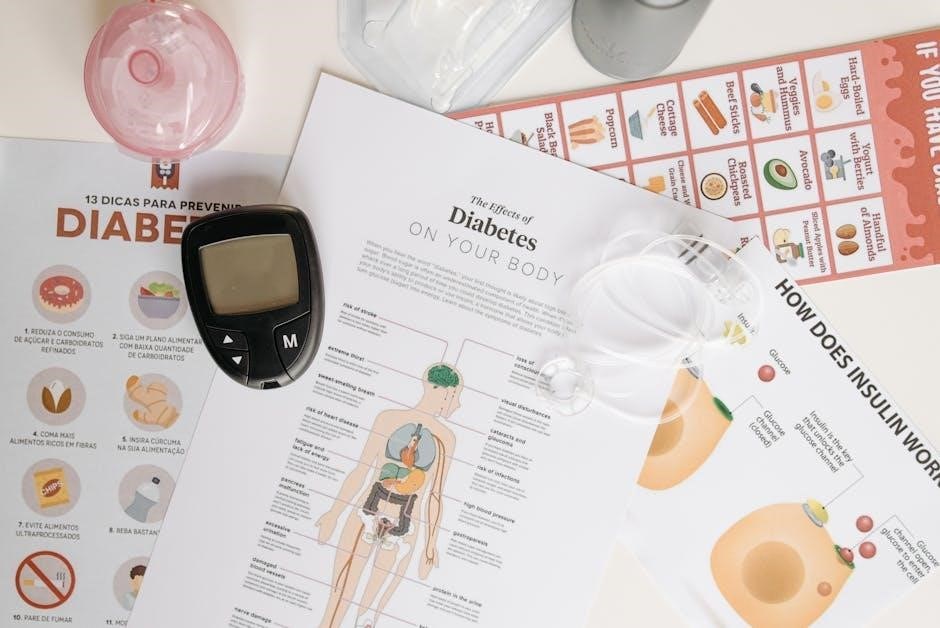
Fricker Diet and Weight Loss
The Fricker Diet, utilizing a 650-calorie plan, aims to eliminate excess fat through three phases, offering a structured approach to weight management․
Expect noticeable results with consistent adherence․
Calorie Considerations (650 Calories)
The Fricker Diet centers around a carefully calibrated 650-calorie daily intake, a cornerstone of its weight loss methodology․ This restricted caloric allowance isn’t arbitrary; it’s designed to initiate a metabolic shift, encouraging the body to tap into stored fat reserves for energy․
While seemingly low, this intake is strategically structured to provide essential nutrients while promoting fat reduction․ The diet’s success hinges on meticulous meal planning and adherence to the specified macronutrient ratios․ It’s crucial to understand that individual caloric needs vary based on factors like age, activity level, and metabolism․
However, the 650-calorie framework serves as a foundational starting point, particularly beneficial for individuals seeking significant weight loss․ The diet’s emphasis isn’t solely on restriction, but on optimizing nutrient density within those limited calories, ensuring the body receives vital vitamins and minerals․ Careful monitoring and potential adjustments, guided by a healthcare professional, are recommended for optimal results and sustained well-being․
Expected Weight Loss Results
The Fricker Diet, with its 650-calorie framework, is designed to facilitate substantial weight loss, though individual results will naturally vary․ The initial phase often demonstrates the most rapid reduction, as the body depletes glycogen stores and begins utilizing fat for fuel․
While specific figures aren’t universally guaranteed, many individuals report significant weight loss within the first few weeks, potentially ranging from several pounds to over a stone․ This initial rapid loss tends to moderate as the body adapts․
Sustained weight loss requires consistent adherence to the diet’s principles and a commitment to long-term lifestyle changes․ It’s important to remember that weight loss isn’t linear; plateaus are common․ Combining the diet with regular physical activity can enhance results and promote overall health․ Realistic expectations and a focus on overall well-being are key to achieving lasting success․

The Fricker Diet and Specific Health Conditions
Research indicates potential benefits for cirrhosis patients, advising against routine parenteral or enteral nutrition․ It also explores tau protein modification and fungal nutrient allocation․
Cirrhosis and Nutritional Support
For hospitalized patients grappling with cirrhosis, current recommendations, as highlighted by JS Bajaj (2022), suggest avoiding the routine implementation of both parenteral and enteral nutritional support strategies․
This cautious approach stems from a nuanced understanding of the complex metabolic challenges presented by the condition․
Nutritional interventions in cirrhosis require careful consideration, as they can significantly impact disease progression and patient outcomes․
The Fricker Diet, with its emphasis on specific macronutrient balance and phased approach, may offer a tailored nutritional strategy․
However, its application in cirrhotic patients necessitates close monitoring and individualized adjustments under the guidance of a qualified healthcare professional․
Further research is crucial to fully elucidate the optimal nutritional support protocols for individuals with cirrhosis, potentially incorporating elements of the Fricker approach․
Neurological Health & Tau Protein Modification
Decades of research, as cited by S․ Kalyaanamoorthy (2024), demonstrate that tau protein undergoes extensive post-translational modifications (PTMs)․ These PTMs significantly alter the protein’s structure and function, impacting neurological health․
While the Fricker Nutrition Guide doesn’t directly address tau protein modification, its focus on optimizing nutrient intake and reducing systemic inflammation may indirectly influence these processes․
Specific dietary components within the Fricker Diet could potentially modulate pathways involved in tau phosphorylation and aggregation․
Further investigation is needed to determine if the Fricker approach can positively impact tau pathology․
Understanding the interplay between nutrition, PTMs, and neurological function is crucial for developing targeted dietary interventions․
The Fricker Diet’s holistic approach warrants exploration in the context of neurodegenerative diseases․
Fungal Nutrient Allocation (Referencing Fricker et al․, 2008, 2017)
Research by Fricker et al․ (2008, 2017), as highlighted by Naranjo-Ortiz (2020), reveals that fungi exhibit a remarkable ability to allocate limiting nutrients from diverse sources within heterogeneous environments․
This allocation strategy allows fungi to thrive even when resources are unevenly distributed․
While seemingly unrelated, this fungal nutrient dynamic offers a unique perspective when considering the Fricker Nutrition Guide’s emphasis on eliminating specific food groups․
The diet’s restrictive phases may inadvertently influence the gut microbiome, potentially impacting fungal populations and their nutrient acquisition strategies․
Understanding these complex interactions is crucial for optimizing gut health․
Further research is needed to explore the specific effects of the Fricker Diet on fungal communities and their role in overall well-being․

Practical Application of the Fricker Nutrition Guide
Effective implementation requires careful menu planning, utilizing provided charts and tables for optimal results․
A healthy lifestyle, alongside the diet, is key to success and sustained well-being․
Menu Suggestions and Meal Planning
Successful adherence to the Fricker Nutrition Guide hinges on proactive meal planning, particularly before initiating the elimination phase․ This involves strategically selecting low-FODMAP foods to ensure a smooth transition and minimize digestive discomfort․ Consider building a repertoire of simple, satisfying meals that align with the diet’s principles․
Planning ahead isn’t merely about convenience; it’s about setting yourself up for success․ Explore recipes that emphasize permitted protein sources, carefully managed carbohydrate intake, and healthy fat consumption․ The guide’s scientific tables can be invaluable in determining appropriate portion sizes and macronutrient ratios․
Think in terms of weekly meal plans, incorporating variety to prevent monotony․ Utilize the provided charts to track your progress and adjust your intake as needed․ Remember, the Fricker Diet isn’t a restrictive punishment, but a pathway to improved health and well-being through mindful eating and a holistic lifestyle approach․
Utilizing Charts and Scientific Tables
The Fricker Nutrition Guide doesn’t simply prescribe a diet; it empowers individuals with the tools to understand why it works․ Central to this approach are the comprehensive charts and scientific tables included within the 319-page resource․ These aren’t merely decorative elements, but essential components for personalized application․
Charts provide a visual overview of permitted and restricted foods, macronutrient breakdowns, and potential weight loss trajectories․ Scientific tables delve deeper, offering precise data on food composition and nutritional values․ This allows for meticulous meal planning and accurate tracking of dietary intake․
Effectively utilizing these resources requires a commitment to understanding the underlying principles․ Refer to the tables when constructing meal plans, ensuring adherence to recommended portion sizes and macronutrient ratios․ The charts serve as a quick reference guide, reinforcing dietary guidelines and promoting informed food choices․
The Importance of a Healthy Lifestyle
The Fricker Nutrition Guide emphasizes that dieting transcends mere food restriction; it’s fundamentally about cultivating a holistic, healthy lifestyle․ While the diet itself – with its phases and calorie considerations (like the 650-calorie approach) – is crucial, sustained well-being demands a broader perspective․
This encompasses regular physical activity, adequate sleep, and stress management techniques․ The guide acknowledges that nutritional changes are most effective when integrated with positive behavioral modifications․ It’s not simply about what you eat, but how you live․
A healthy lifestyle supports the diet’s goals, enhancing weight loss results and promoting long-term health․ It addresses underlying factors that contribute to unhealthy eating patterns, fostering a sustainable approach to wellness․ The guide responds to parental questions, advocating for a comprehensive approach to health․

Resources and Further Information
Explore the 319-page guide, complete with an index and scientific tables․ Download the app for macronutrient tracking and calorie burn insights․
Access related research by Fricker et al․ (2008, 2017) and studies on tau protein modification (Kalyaanamoorthy, 2024)․
Index and Additional Support Materials
The Fricker Nutrition Guide boasts a comprehensive index, facilitating quick location of specific foods, health conditions, or dietary phases․ Beyond the core 319 pages, supplemental materials enhance understanding and adherence to the program․ These include detailed charts outlining macronutrient breakdowns and permitted food lists for each phase – elimination, reintroduction, and maintenance․
Scientific tables, referencing research like Fricker et al․ (2008, 2017) on fungal nutrient allocation, provide a deeper dive into the rationale behind dietary restrictions․ Further support is available through the downloadable app, offering tools for tracking calorie intake (specifically the 650-calorie target) and estimated burn times․
Researchers like Bajaj (2022) and Naranjo-Ortiz (2020) have contributed to the understanding of the diet’s impact on conditions like cirrhosis and neurological health, offering valuable context for individuals with specific needs․ Access to these resources empowers users to personalize the Fricker Diet for optimal results and long-term well-being․
Leave a Reply
You must be logged in to post a comment.